
 11
11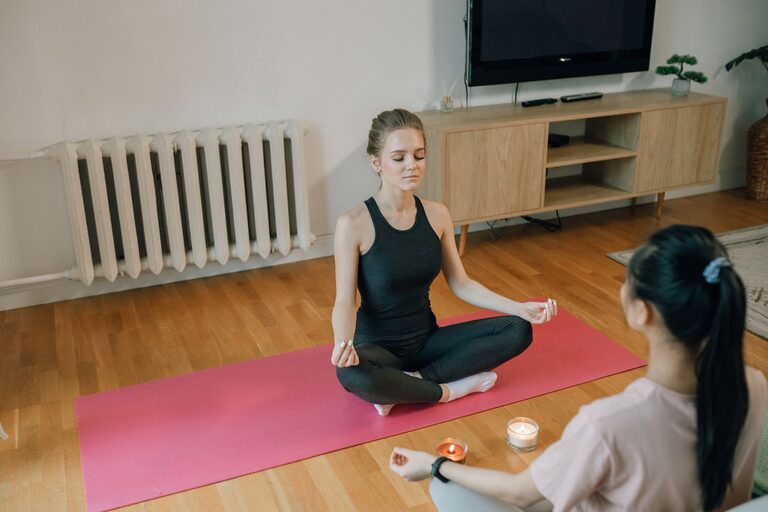
Taking mindful breathing breaks is an easy and accessible way to calm your mind, reduce stress, and improve focus — no matter where you are or how busy your schedule might be. For beginners, learning how to incorporate these pauses into daily life can feel a bit unfamiliar. This guide offers practical tips to help you start your mindful breathing journey with confidence.
Mindful breathing is paying full attention to your breath — noticing its natural rhythm and sensations without trying to change it. Unlike regular breathing, which happens automatically and often goes unnoticed, mindful breathing encourages you to become aware of each inhale and exhale.
Practicing mindful breathing can help:
– Lower stress and anxiety levels
– Increase concentration and clarity
– Promote relaxation and emotional balance
Our modern lives are packed with distractions, deadlines, and tasks that can overwhelm us. Mindful breathing breaks serve as short interruptions to reset your mental state. These breaks can:
– Reduce feelings of tension or overwhelm
– Improve productivity by enhancing focus
– Support emotional well-being throughout the day
If you’re new to mindful breathing, begin with just 1 to 2 minutes per break. Even brief pauses can have a noticeable impact. As you get more comfortable, gradually increase your breathing breaks to 5 minutes or longer.
You don’t need to sit cross-legged on a cushion unless you want to. Choose a position that feels relaxed and natural—sitting in a chair, standing, or lying down. The key is to keep your back straight and your body at ease.
Close your eyes if it helps you concentrate. Notice the feeling of air entering your nostrils, traveling down your throat, and filling your lungs. Then observe the breath leaving your body. Try to keep your attention on the breath without judging or analyzing it.
If your mind wanders, gently bring it back by counting your breaths. For example, inhale and say “one” silently, exhale and say “two,” continuing up to “ten,” then start over. Counting helps anchor your focus and reduces distractions.
Set reminders on your phone or computer to take breathing breaks several times daily. You might pause:
– Between meetings
– Before starting a new task
– When feeling stressed or distracted
For some people, mindful breathing feels easier when combined with light stretching or slow movements like shoulder rolls or neck stretches. This can help ease physical tension as you breathe.
It’s normal for your mind to wander or for your breath to feel uneven at first. Be patient and kind with yourself. Mindful breathing is a practice, and improvement comes with time.
Try this simple exercise anytime you need a mindful breathing break:
Regular mindful breathing breaks can promote a sense of calm and improve mental clarity. Some beginners report:
– Lower stress levels
– Better sleep quality
– Enhanced mood
– Increased patience and emotional resilience
If you want additional guidance, consider apps or online resources designed for mindfulness and breathing exercises, such as:
– Insight Timer
– Headspace
– Calm
Many offer guided breathing sessions tailored for beginners.
Creating space for mindful breathing breaks in your daily routine doesn’t require special equipment or a lot of time—just a willingness to pause and breathe with intention. As a beginner, approach these moments with curiosity and self-compassion. With regular practice, mindful breathing can become a powerful tool to help you navigate daily challenges with greater ease and calm.
Start small, stay consistent, and enjoy the simple act of breathing mindfully throughout your day. Your mind and body will thank you!