
 11
11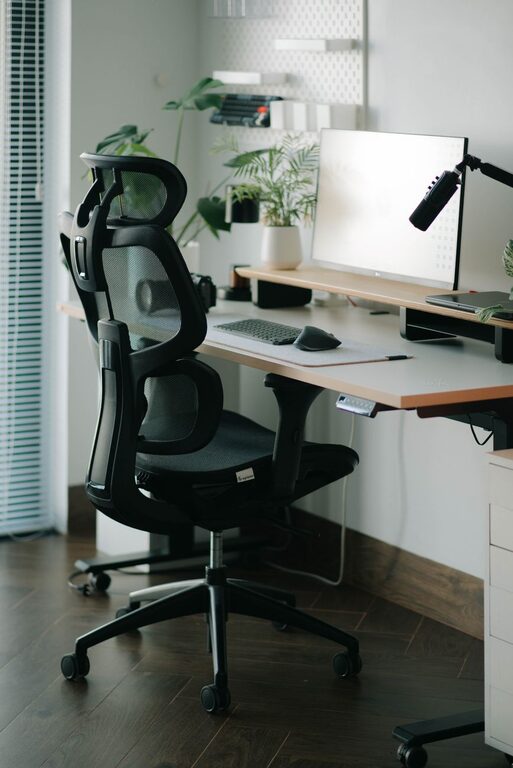
When it comes to working or studying, the environment you create plays a big role in how well you focus and how comfortable you feel. A thoughtfully arranged desk setup can reduce distractions, prevent discomfort, and help you maintain concentration throughout the day.
In this post, we’ll explore practical tips to design a desk setup that enhances both focus and comfort. Whether you work from home, a shared office, or a dedicated study space, these ideas will help you optimize your workspace.
A cluttered or poorly arranged desk can lead to physical strain, mental fatigue, and decreased productivity. On the other hand, a well-organized, ergonomic setup minimizes discomfort and keeps your mind clear. Comfort and focus go hand-in-hand, so investing time in your workspace arrangement is worthwhile.
Your desk should be at a height that allows your forearms to rest comfortably parallel to the floor when typing or writing. Standard desk height ranges from 28 to 30 inches, but adjust based on your height and whether you use an adjustable chair.
Make sure your desk surface is spacious enough to hold your computer, essential tools, and some personal touches without feeling crowded. A clean surface encourages clarity and focus.
An adjustable chair that supports your lower back helps maintain good posture and reduces back pain. Look for chairs with lumbar support, adjustable seat height, and armrests. Your feet should rest flat on the floor or on a footrest for optimal comfort.
Straining your eyes or neck can quickly cause discomfort. Position your monitor about an arm’s length away so you don’t have to lean forward. The top of the screen should be at or just below eye level, which helps keep your neck in a neutral position.
If you use a laptop, consider a laptop stand and an external keyboard and mouse. This setup improves posture and reduces strain.
A cluttered desk can be overwhelming. Use organizers, trays, or shelves to keep papers, stationery, and gadgets in their place. Only keep items you use daily on the desk surface.
Cable management solutions like clips or sleeves keep cords tidy and prevent tangling. A clear workspace supports a clear mind.
Good lighting prevents eye strain and keeps you alert. Natural light is best, so position your desk near a window if possible. Avoid placing screens directly opposite windows to prevent glare.
If natural light isn’t an option, use a desk lamp with adjustable brightness and color temperature. Warm light is relaxing, while cool white light is energizing—choose based on your preferences and tasks.
To further boost comfort, consider these additions:
– Wrist rests: Help keep wrists neutral when typing or using a mouse.
– Footrest: Keeps legs at a comfortable angle and improves circulation.
– Anti-fatigue mat: Useful if you use a standing desk to reduce leg fatigue.
– Plants: Small greenery adds freshness and may improve mood.
Adding personal touches like photos or artwork can make your workspace inviting. However, avoid decorations that are too distracting. Find a balance that motivates you without drawing your attention away from work.
No desk setup can replace the benefits of periodic movement. Set reminders to stand, stretch, or walk briefly every hour. This improves circulation and reduces stiffness.
– Desk height allows elbows to rest at 90 degrees
– Ergonomic chair with lumbar support and adjustable height
– Monitor at eye level about an arm’s length away
– Laptop elevated with external keyboard and mouse if possible
– Clean, organized desk with minimal clutter
– Proper cable management
– Balanced lighting with preference for natural light
– Comfort accessories like wrist rests and footrests
– Personalization without over-distraction
– Regular movement breaks
Creating a desk setup designed for comfort and focus can make your work or study time more productive and enjoyable. Try implementing these tips one step at a time to find what works best for you. A well-thought-out workspace is an investment in your wellbeing and success.